Category: Resources

  • Why Vinyl Windows Can Fall Short on Energy Efficiency — Should You Buy Into the Hype?

    Why Vinyl Windows Can Fall Short on Energy Efficiency — Should You Buy Into the Hype?

    When it comes to replacement windows, homeowners are often wowed by glass demonstrations: low-E coatings, double or triple-pane options, argon gas fills.

    But here’s what most sales reps won’t mention:

    Glass is only part of the equation.
    The frame matters just as much—sometimes more.

    And when that frame is made of vinyl, you may be signing up for a long list of trade-offs that can quietly erode your energy savings.


    1. Vinyl Frames Expand and Contract — A Lot

    Vinyl (PVC) is a plastic material, and like most plastics, it moves significantly with temperature changes. That means during hot summers and cold winters, vinyl frames expand and contract—not subtly, but dramatically enough to affect performance.

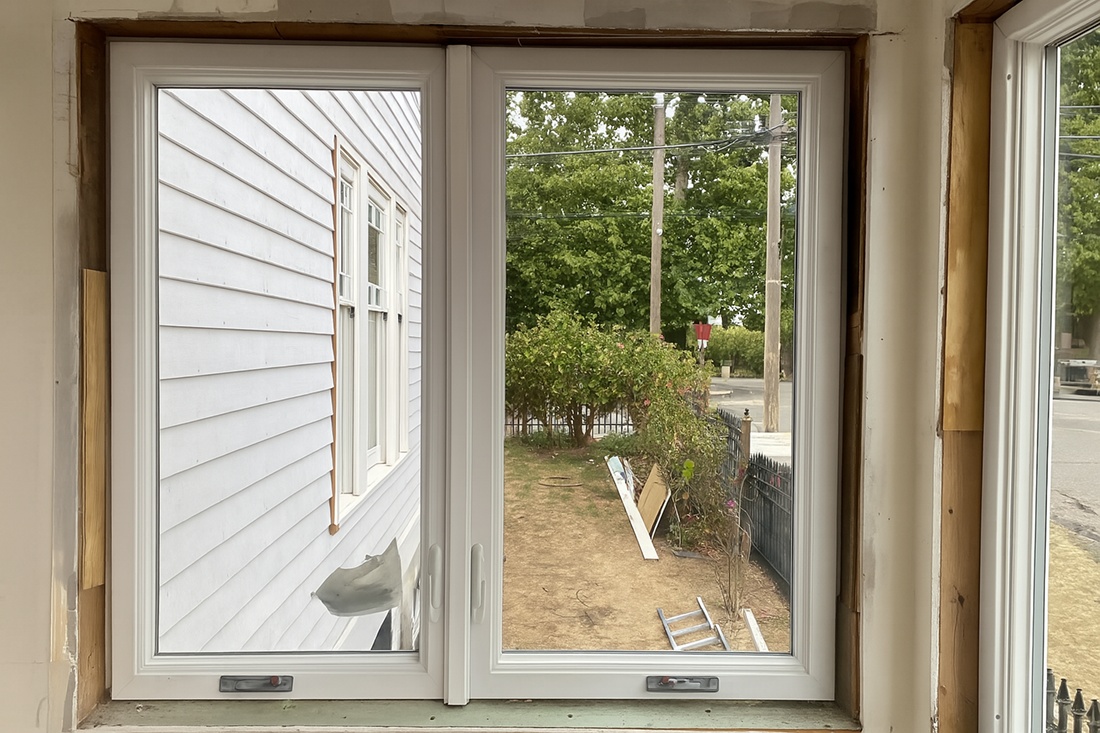
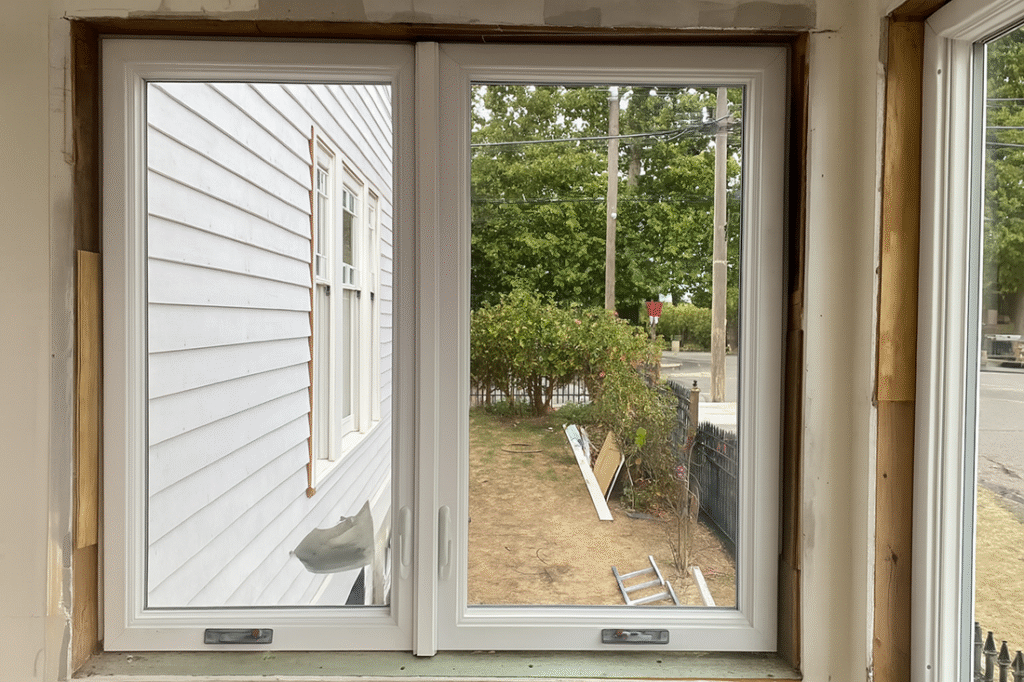
    To prevent damage, manufacturers require a gap around the window during installation.

    Per ProVia’s installation manual (2025, v1.9):
    “IMPORTANT! Allow for expansion and contraction of the window unit when contacting exterior finish material.”

    In practice, this means leaving a gap—often around ½ inch— around the entire perimeter of the window.
    2. That Gap Can Become a Problem

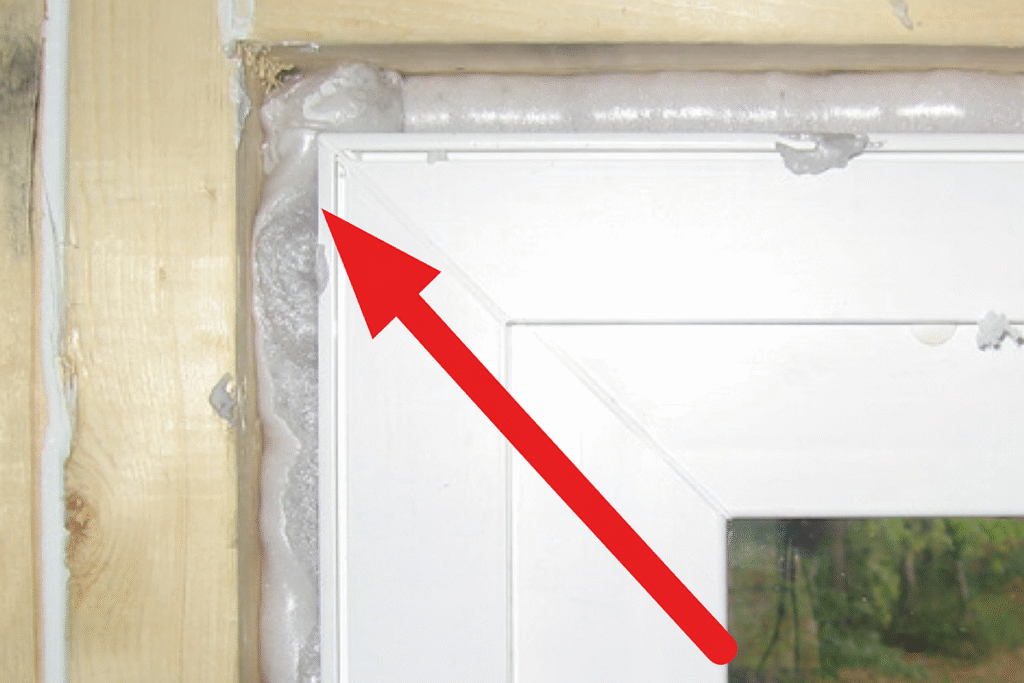
    A gap that wide must be filled. Installers typically use low-expanding spray foam and sealant. But even then, it’s a fragile solution:

    • If the gap is under-insulated, cold air, moisture, and even insects can slip through.
    • If the gap is over-insulated, it can cause the vinyl frame to bow or warp.

    ProVia warns:
    “Over use of low-expanding foam may cause frame to bow, jeopardizing operation of window.”

    This means the installer has to hit a narrow “Goldilocks zone” — not too much, not too little — and do it perfectly around every window. One bad seal, one overstuffed corner, and performance drops sharply.
    3. Foam-Filled Frames: Smart Upgrade or Just Marketing?

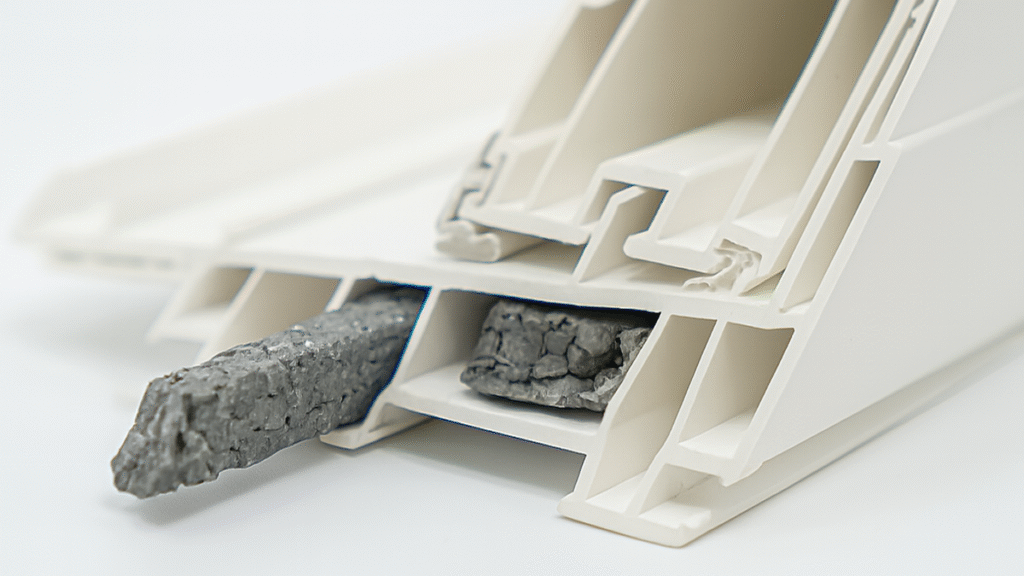
    Some vinyl manufacturers promote foam-filled frames as a solution. It sounds like a smart upgrade — until you look at the data.

    Studies and field reports show that foam adds very little actual insulation. Most hollow vinyl frames already have an R-value around 2.0. Adding foam increases that to about R-2.3 — a minor improvement with barely noticeable energy savings.

    According to analysis cited by GreenBuildingAdvisor, the added efficiency typically equates to less than $1 per year in savings per window.

    So while it may sound impressive in a sales pitch, foam does little to change the underlying physics.
    Final Thoughts: Don’t Let a Great Pane Be Surrounded by a Weak Frame

    When evaluating window options, don’t let the glass specs distract you from what’s holding the glass in place.

    A vinyl frame may be affordable, but it comes with real-world challenges:

    • Larger installation gaps
    • Precision insulation required to avoid performance issues
    • Risk of long-term warping or drafts if not installed perfectly

    If your goal is true long-term energy efficiency and durability, take the time to evaluate more than just the glass. Ask about frame construction, installation methods, and what happens when materials start to age.

  • The Old-School Sales Process: How to Avoid Being Rushed to Buy Windows

    The Old-School Sales Process: How to Avoid Being Rushed to Buy Windows

  • The Traditional Way to Buy Windows and How to Avoid It

    The Traditional Way to Buy Windows and How to Avoid It

  • Pros and Cons of Casement Windows

    Pros and Cons of Casement Windows

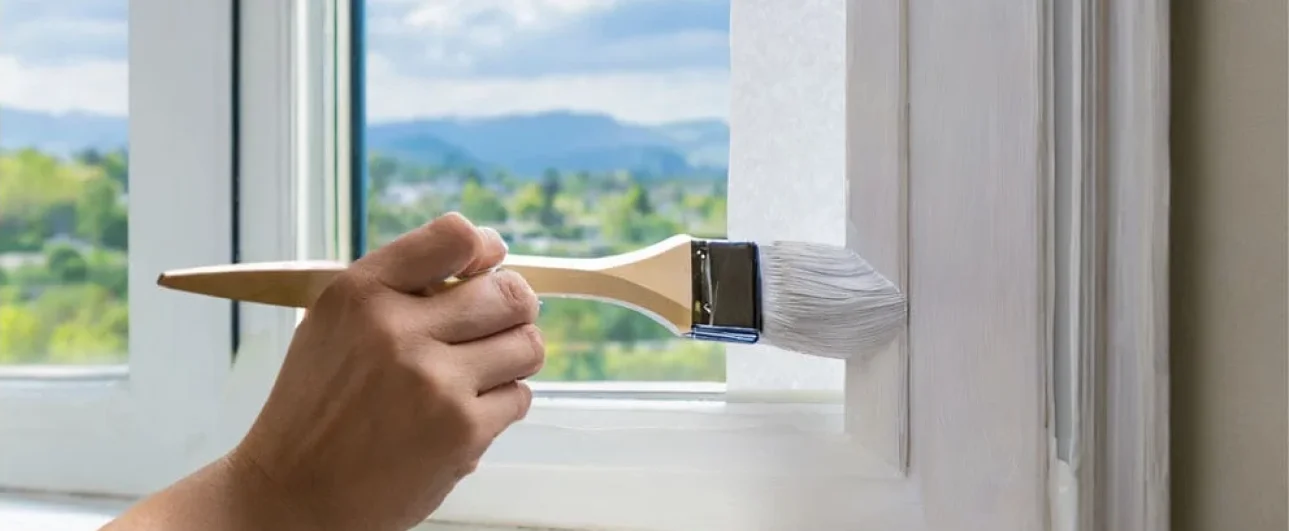
  • Can I Paint Vinyl Windows? Pros & Cons of Painting Them

    Can I Paint Vinyl Windows? Pros & Cons of Painting Them

    Vinyl windows have become a popular choice among homeowners throughout the St. Louis and St. Charles area thanks to their durability, energy efficiency, and low maintenance. However, as trends evolve, many homeowners seek ways to update their home’s exterior without replacing their windows. This often leads to the question: Can I paint my vinyl windows? While painting vinyl windows offers an opportunity to refresh their look, there are several factors to consider. Let’s explore the pros and cons of painting vinyl windows so you can make an informed decision.

    Is Painting Vinyl Windows Possible? Yes, it’s possible to paint vinyl windows. With the right prep work and vinyl-safe paint, you can give your windows a fresh look. However, there’s more to it than simply grabbing a paintbrush. Vinyl surfaces require special care, and if done incorrectly, you could face issues down the road. Here’s what to consider:

    Pros of Painting Vinyl Windows

    1. Aesthetic Flexibility
      • One of the biggest advantages of painting vinyl windows is the ability to choose custom colors. Whether you want to complement your home’s exterior or make a bold statement, painting offers a cost-effective way to personalize your windows.
    2. Cost-Effective Makeover
      • Replacing windows can be expensive, especially for larger homes. Painting your existing vinyl windows allows for an affordable makeover without the hefty price tag of full replacements.
    3. UV Protection
      • High-quality vinyl-safe paints can protect your windows from UV rays, preventing fading and damage caused by prolonged sun exposure. This is especially beneficial in sunny regions like St. Louis and St. Charles.

    Cons of Painting Vinyl Windows

    1. Chipping and Peeling
      • Vinyl’s smooth surface can make it difficult for paint to adhere properly, leading to issues like chipping, peeling, or cracking over time. This can detract from your home’s curb appeal and may require touch-ups.
    2. Warranty Voidance
      • Many window manufacturers, including those servicing the St. Louis and St. Charles areas, void warranties if windows are painted. Be sure to check your window’s warranty terms before making any changes.
    3. Limited Paint Options
      • Not all paints are suitable for vinyl. Using the wrong type can cause warping or damage due to heat absorption. Darker colors, in particular, may increase the risk of heat-related damage.

    Considerations Before Painting Vinyl Windows: Before diving into a DIY project, consider the following:

    • Preparation is Key: Proper cleaning, sanding, and priming are essential for paint adherence. Skipping steps could result in a poor finish.
    • Weather Conditions: Be mindful of St. Louis’s fluctuating weather. Extreme heat or cold can affect both the application process and the longevity of your paint job.
    • Professional Consultation: It’s wise to consult with a professional painter experienced in vinyl surfaces to avoid costly mistakes.

    Alternatives to Painting Vinyl Windows: Instead of painting, consider these alternatives:

    1. Factory-Finished Windows
      • Factory-finished windows are designed to withstand weather elements and are available in a wide range of colors. This option ensures long-lasting durability without the maintenance issues associated with paint.
    2. Vinyl Wraps
      • Vinyl wraps offer a similar aesthetic transformation without the risks of chipping or fading. While this may require professional installation, wraps are a lower-maintenance alternative to paint.If you’re considering enhancing your home’s appearance, you might also want to explore why fall is the perfect time to upgrade your home windows for long-term benefits.

    Making an Informed Decision: If you’re contemplating painting your vinyl windows in St. Louis or St. Charles, it’s crucial to weigh the pros and cons carefully:

    • Consider your budget for both paint and prep work.
    • Factor in potential maintenance issues and how they might affect resale value.
    • Think about your long-term home improvement goals.

    Before making any decisions, consult with a local window specialist to discuss your options. They can help you evaluate the costs and benefits of painting vs. replacing your vinyl windows, ensuring the best outcome for your home.

  • 10 Common Sliding Patio Door Problems and How to Easily Fix Them

    10 Common Sliding Patio Door Problems and How to Easily Fix Them

    Sliding patio doors are a wonderful addition to any home, providing easy access to the outdoors and allowing plenty of natural light into your space. However, like any household feature, they can experience problems over time. Fortunately, many of these issues can be resolved with simple fixes, saving you the cost and hassle of a full replacement. Here’s a look at ten common sliding patio door problems and how to easily fix them.

    1. Hard to Slide Open or Close

    Problem: Your sliding patio door is difficult to open or close.

    Causes and Fixes:

    • Dirty, Rusted, or Broken Rollers: When the rollers are dirty, rusted, or broken, they won’t move smoothly along the track, causing your door to stick or not close properly. Clean the rollers with oil or grease additives to reduce friction. If the rollers are broken, consider replacing them rather than the entire door, especially if the door is otherwise in good condition.
    • Misaligned Wheels: Misalignment can occur if the rollers or door aren’t properly set in the tracks, resulting in gaps between the glass and frame. Realigning the wheels or adjusting the door height can solve this issue.
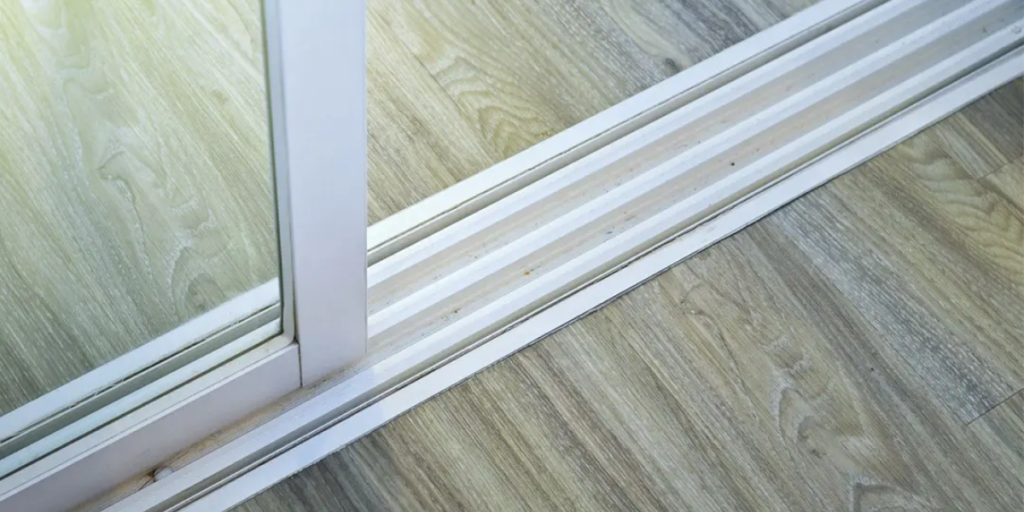
    • Bent Track: A bent track, often caused by impact from the door frame or rollers, can prevent the door from sliding correctly. Use pliers to gently straighten the track back into shape, allowing the door to move smoothly again.

    2. Torn Patio Door Screen

    Problem: Your patio door screen has been torn by a pet or an accident.

    Fix: A torn screen can be a real nuisance, letting pests into your home and disrupting airflow. If the screen frame is still in good shape, you can easily have the screen rescreened by a professional, usually at a low cost. If the frame is bent or damaged, consider replacing it with a more durable option like aluminum, which is more resistant to tears and wear.

    3. Broken Glass Panel

    Problem: The glass on your sliding patio door is broken.

    Fix: Accidental impacts, like a stray baseball or a rock kicked up by a lawnmower, can break the glass on your sliding door. Rather than replacing the entire door, you can often replace just the glass panel. Keep in mind that if your door is older, the cost of replacing the glass might be comparable to upgrading to a new, more energy-efficient door. Assess your options based on the age and condition of your door.

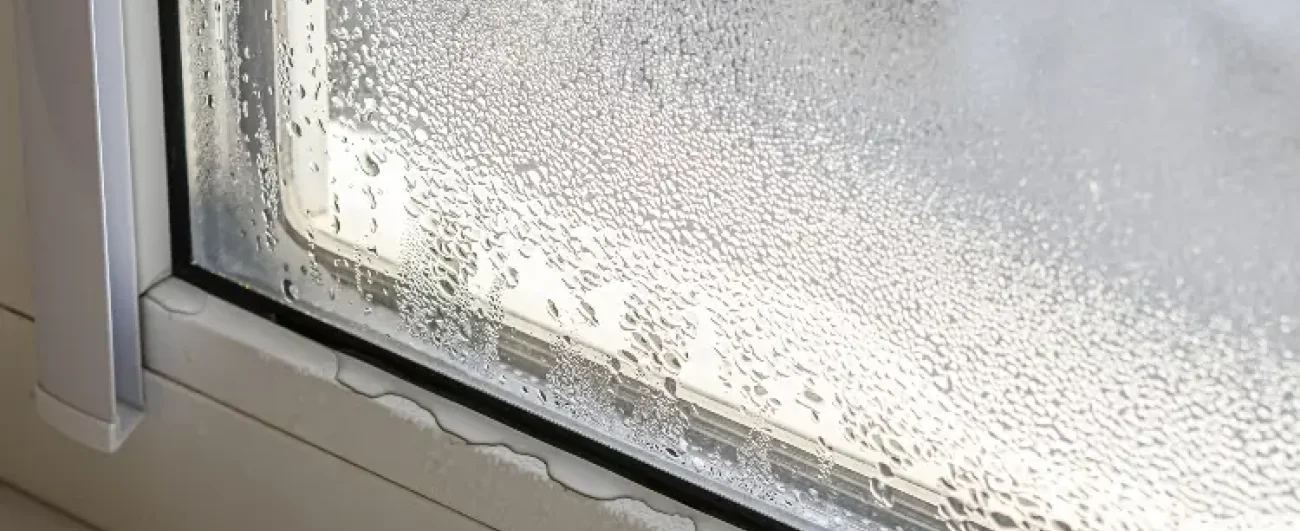
    4. Bad Seal and Moisture Between Glass Panes

    Problem: You notice moisture or fogging between the panes of glass on your sliding door.

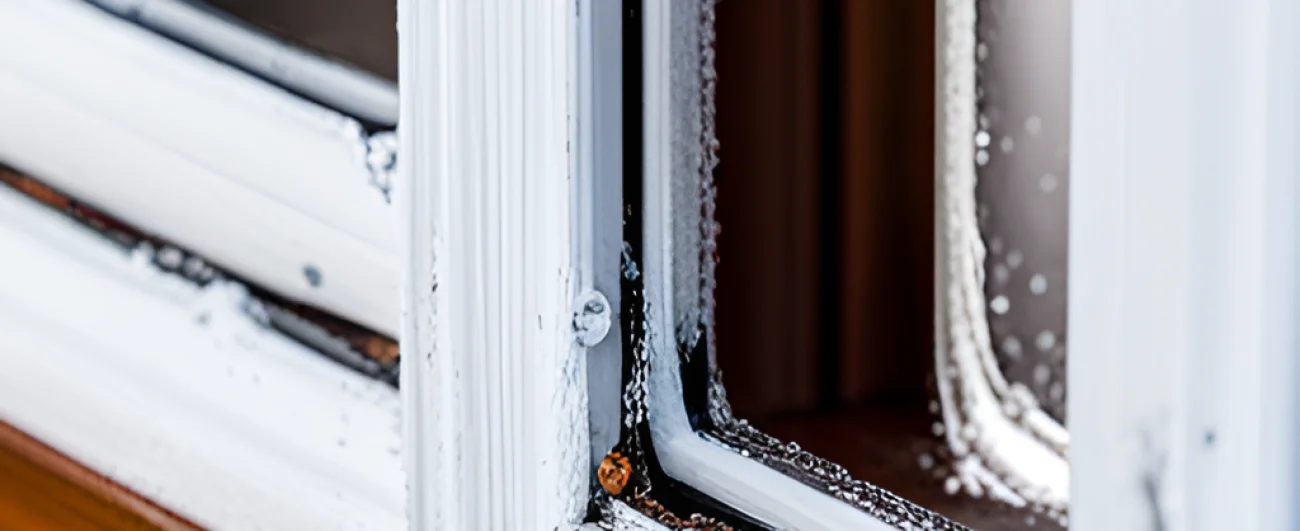
    Fix: Moisture between the glass panes usually indicates a failed seal, which can lead to drafts, higher energy bills, and a decrease in the door’s insulation capabilities. While you can attempt to reseal the glass, the most effective and long-term solution is to replace the door with a newer model that offers improved seals and energy efficiency.

    5. Locking Mechanism Failure

    Problem: The locking mechanism on your sliding patio door is malfunctioning.

    Fix: A faulty lock can be both a security risk and an inconvenience. Often, this can be fixed by tightening or replacing the screws that hold the lock in place. In some cases, you may need to replace the lock entirely, which is a relatively simple and inexpensive task.

    6. Drafts and Poor Insulation

    Problem: You feel drafts around your sliding patio door.

    Fix: Drafts are commonly caused by worn-out weatherstripping or gaps around the door. Replace the weatherstripping around the door to improve insulation and reduce drafts. For a more secure seal, ensure the door is properly aligned within its frame.

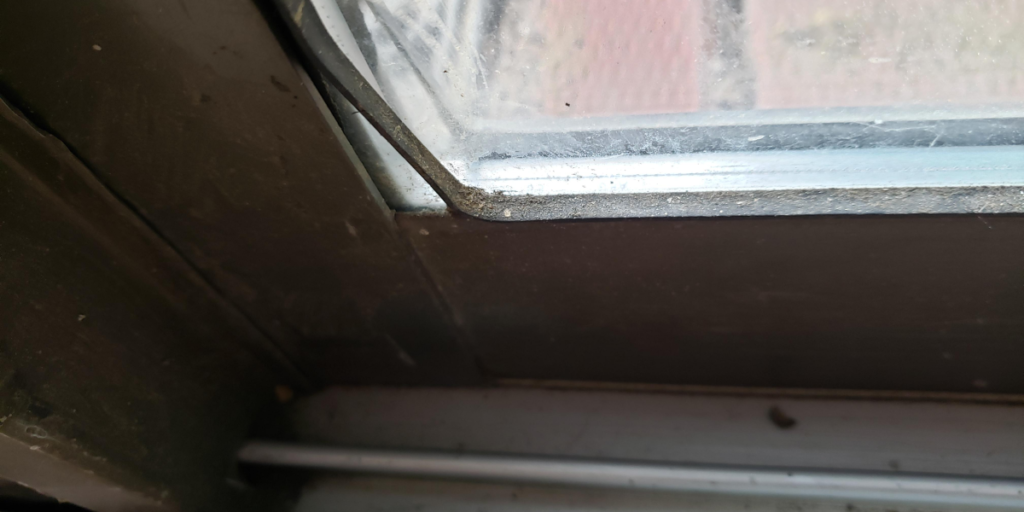
    7. Track Obstructions

    Problem: The sliding door doesn’t move smoothly because of debris in the track.

    Fix: Dirt, leaves, and other debris can accumulate in the track, making it difficult for the door to slide. Regularly clean the track with a vacuum and a damp cloth to keep it clear. For stubborn buildup, use a brush to scrub the track clean, ensuring a smooth glide.

    8. Broken or Worn-Out Handle

    Problem: The handle on your sliding patio door is loose or broken.

    Fix: A loose or broken handle can make it challenging to open or close the door. Tighten any loose screws, or if the handle is damaged, replace it with a new one. Handles are relatively inexpensive and easy to replace with basic tools.

    9. Damaged Door Frame

    Problem: The door frame is warped, cracked, or otherwise damaged.

    Fix: A damaged frame can cause the door to stick, leak air, or become misaligned. Minor frame damage can often be repaired with wood filler or epoxy, followed by sanding and repainting. For significant damage, especially in older doors, replacing the frame or the entire door might be the best option.

    10. Glass Fogging or Condensation

    Problem: Your sliding door glass is fogging up or has condensation between the panes.

    Fix: Fogging or condensation usually indicates that the door’s seal has failed, similar to moisture problems. Address this by either replacing the door glass or opting for a door with better insulation properties. This will help prevent energy loss and maintain a clear view.

    Conclusion

    Sliding patio doors are an excellent feature for any home, but they do require occasional maintenance and repairs to keep them functioning smoothly. By addressing these common problems promptly, you can extend the life of your doors and avoid costly replacements. Whether it’s a quick fix like cleaning the track or a more involved repair like replacing the glass, taking care of your sliding patio doors will keep them looking and working like new.

  • Alside Windows Reviews | Replacement Windows Reviews

    Alside Windows Reviews | Replacement Windows Reviews

    Alside Windows & Doors Overview

    Alside Windows & Doors has been a trusted name in the window and door industry for over 70 years. Known for their commitment to quality and innovation, Alside offers a wide range of window and door products designed to enhance the beauty, energy efficiency, and value of your home. Their vinyl replacement windows are particularly popular among homeowners seeking durable, low-maintenance solutions.

    Vinyl Replacement Options

    Alside provides several vinyl replacement window options that cater to different needs and preferences. These windows are designed to offer excellent thermal performance, durability, and aesthetic appeal. Among their offerings, two lines stand out: the Sovereign Ultra Premium Vinyl Windows and the Mezzo Energy Efficient Vinyl Windows.

    Sovereign Ultra Premium Vinyl Windows

    The Sovereign Ultra Premium Vinyl Windows are Alside’s top-of-the-line offering. These windows are engineered for superior performance and durability, featuring advanced technology to provide maximum energy efficiency. Key features include:

    • Energy Efficiency: Advanced insulation technology helps reduce heating and cooling costs.
    • Durability: Constructed with high-quality materials to withstand harsh weather conditions.
    • Aesthetic Appeal: Available in a variety of styles and finishes to complement any home décor.
    • Maintenance-Free: Designed for easy cleaning and minimal upkeep.

    Mezzo Energy Efficient Vinyl Windows

    The Mezzo Energy Efficient Vinyl Windows offer a great balance between performance and value. These windows are designed to provide excellent energy efficiency and comfort at a more affordable price point. Key features include:

    • Energy Efficiency: Dual-pane glass and advanced weatherstripping reduce energy loss.
    • Durability: Reinforced vinyl frames ensure long-lasting performance.
    • Customizable: Available in multiple styles and finishes to match your home’s aesthetic.
    • Ease of Maintenance: Simple to clean and maintain, requiring minimal effort.

    Alside Builder Grade (New Construction) Options

    Alside also offers builder-grade windows for new construction projects. These windows are designed to meet the demands of builders and contractors, providing reliable performance and value. The product lines include:

    • 1700 Series: These windows are known for their durability and energy efficiency, making them a popular choice for new homes.
    • 1900 Series: Offering a blend of performance and affordability, the 1900 Series is ideal for budget-conscious projects without compromising on quality.
    • Fairfield Series: The Fairfield Series combines traditional styling with modern performance features, providing a versatile option for various architectural styles.

    Alside vs. Simonton Windows Comparison

    When comparing Alside’s Sovereign Ultra Premium Vinyl Windows to Simonton’s 5500 Series Vinyl Windows, there are several factors to consider:

    Alside Sovereign Ultra Premium Vinyl Windows

    Pros:

    • Superior energy efficiency
    • High durability and weather resistance
    • Wide range of customization options
    • Low maintenance

    Cons:

    • Higher price point
    • Limited availability in some regions

    Simonton 5500 Series Vinyl Windows

    Pros:

    • Excellent energy efficiency
    • Strong durability and impact resistance
    • Extensive range of styles and finishes
    • Competitive pricing

    Cons:

    • Slightly more complex installation process
    • Limited warranty options

    In this head-to-head comparison, the Simonton 5500 Series emerges as the better choice for most homeowners. It offers similar or better performance at a more competitive price point, along with a broader range of styles and finishes.

    Final Thought Summary

    Choosing the right replacement windows for your home is a significant decision. Alside offers a range of high-quality options, from the premium Sovereign Ultra Premium Vinyl Windows to the cost-effective Mezzo Energy Efficient Vinyl Windows. For new construction, their builder-grade lines provide reliable performance and value. However, when comparing the Alside Sovereign Ultra Premium Vinyl Windows to the Simonton 5500 Series, the latter proves to be the superior choice, offering excellent performance and value. Make sure to consider your specific needs and budget when selecting the best windows for your home.If you’re looking for more details on where to find quality vinyl windows in St. Louis, check out our guide on who sells vinyl windows in the area.

  • Window Replacement Tips for Homeowners in St. Charles County, MO: The Info You Need to Know

    Window Replacement Tips for Homeowners in St. Charles County, MO: The Info You Need to Know

    Understanding the Basics: Glass Replacement vs. Window Replacement

    When your windows start showing signs of wear, it’s essential to know the difference between glass replacement and full window replacement. Glass replacement involves fixing only the glass pane, which is ideal for minor damages like cracks or broken glass. In contrast, window replacement means replacing the entire window unit, including the frame and sash, which is necessary for issues like poor insulation, warped frames, or extensive damage.

    Managing Expectations: The Timeframe for Window Replacement Projects

    A typical window replacement project can vary in duration based on several factors, including the number of windows, the type of windows, and the condition of your existing frames. Generally, it takes about 4-6 weeks from the initial consultation to the final installation. However, the actual installation process for each window usually takes around 30-60 minutes. Plan for potential delays due to weather or unforeseen issues with your home’s structure.

    Identifying the Signs: When to Consider Replacement Windows

    Knowing when to replace your windows can save you money and enhance your home’s comfort. Look for signs such as:

    • Drafts or difficulty maintaining a consistent indoor temperature
    • Excessive noise from outside
    • Condensation or fogging between glass panes
    • Difficulty opening or closing windows
    • Visible damage to the frame or glass

    Different Types of Windows and Operating Styles

    Understanding the types of windows and their operating styles can help you make an informed decision:

    Single Pane vs. Double Pane: Single pane windows have one layer of glass, offering minimal insulation. Double pane windows have two layers with a space between them, providing better insulation and energy efficiency.

    Single Hung vs. Double Hung Windows: Single hung windows have a fixed upper sash and a movable lower sash. Double hung windows allow both the upper and lower sashes to move, offering more ventilation options and easier cleaning.

    Tempered vs. Annealed Glass: Tempered glass is heat-treated for extra strength and safety, shattering into small, blunt pieces. Annealed glass is standard glass that breaks into sharp shards.

    Understanding Double Pane vs. Triple Pane Windows

    Double pane windows have two layers of glass, while triple pane windows have three. The additional pane in triple pane windows offers better insulation, noise reduction, and energy efficiency. However, they are also more expensive and may not be necessary for all climates.

    The Most Common Types of Windows and Their Operating Styles

    • Casement Windows: Hinged at the side and open outward like a door, providing excellent ventilation.
    • Slider Windows: Slide horizontally along a track, ideal for wide openings.
    • Awning Windows: Hinged at the top and open outward, great for ventilation even during light rain.
    • Bay Windows: Extend outward from the home, creating additional interior space and offering a wide view.

    The Importance of Installing Energy Efficient Windows

    Energy-efficient windows reduce energy bills by minimizing heat loss in winter and keeping your home cooler in summer. Look for windows with low-E glass, gas fills between panes, and high-quality frame materials. Energy-efficient windows not only improve comfort but also increase your home’s value and reduce your environmental footprint.

    Repair or Replace? A List for Homebuyers Concerned About Windows

    When buying a home, assess the windows to determine if they need repair or replacement:

    • Check for drafts: If you feel air leaking in, replacement might be necessary.
    • Inspect for damage: Cracks, warping, or rot usually require replacement.
    • Test functionality: Windows should open, close, and lock smoothly.
    • Evaluate energy efficiency: Older windows may lack insulation, leading to higher energy bills.
    • Consider the age: Windows over 15-20 years old might need replacing soon.

    By understanding these key aspects of window replacement, homeowners in St. Charles County, MO, can make informed decisions, ensuring their homes are comfortable, energy-efficient, and beautiful.For homeowners looking to make informed decisions, understanding the traditional quote process can be just as crucial as knowing when to replace windows, as discussed in our guide on avoiding rushed purchasing decisions.

  • Enhancing Curb Appeal with Quality Windows

    Enhancing Curb Appeal with Quality Windows

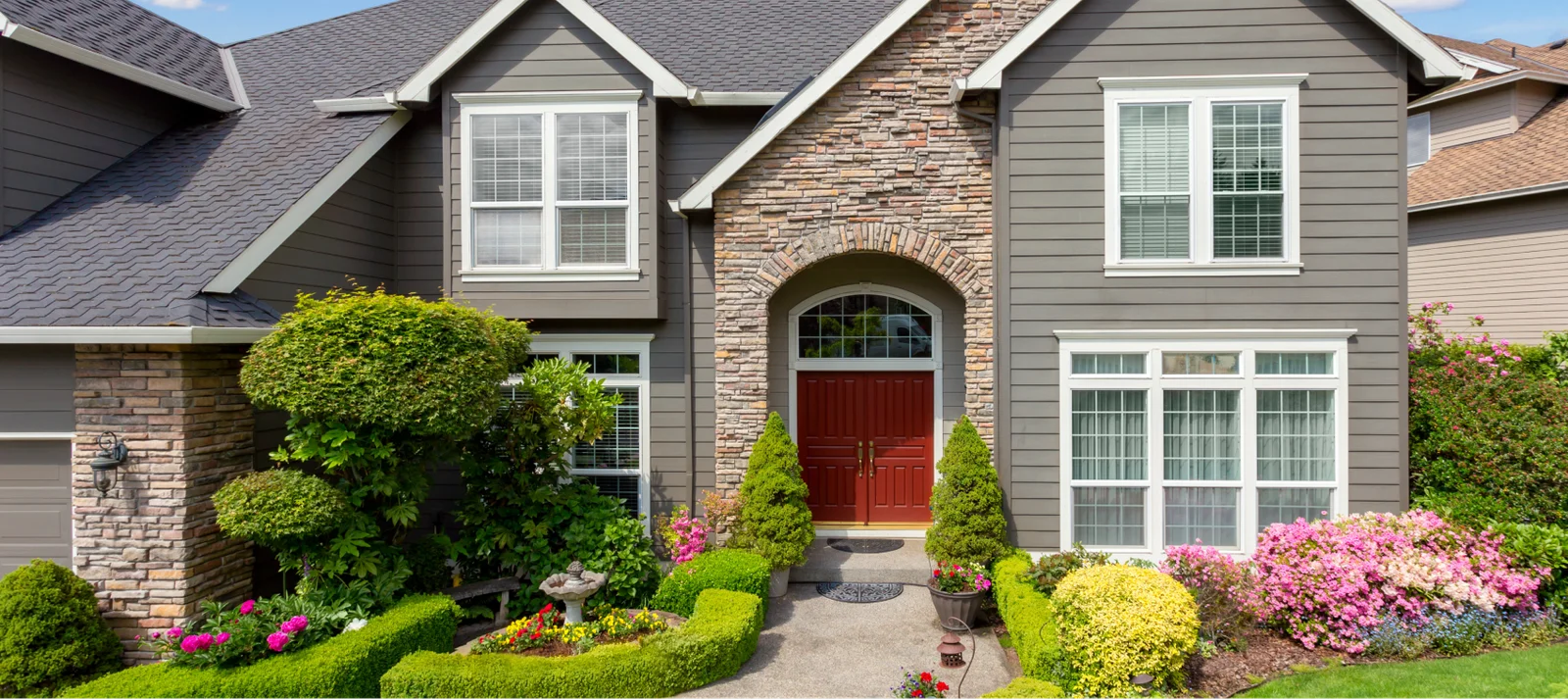
    Whether you’re preparing to sell your home or simply upgrading, improving curb appeal is likely top of mind. Quality windows play a dual role, making a strong first impression while showcasing your home’s interior charm. Discover more creative ideas on making the most of small spaces to maximize functionality and style in your home.

    3 Ways Windows Boost Curb Appeal

    Windows dominates a home’s front facade, making upgrades impactful in several ways:

    1. Transformative Design: Updated windows can entirely reshape your home’s exterior character. From style and shape to frame color and grille patterns, each detail contributes to a fresh look that complements your personal taste.
    2. Architectural Harmony: Beyond modernization, new windows add architectural detail that aligns with your home’s era or blend styles for a unique character. This integration enhances neighborhood cohesion or makes your home a standout.
    3. Cost-Effective Enhancement: Investing in Windows delivers significant returns. Besides aesthetic improvement, energy-efficient models increase home value. Professional installation ensures lasting performance and aesthetic appeal, aligning with your budget and expectations.

    Enhancing Your Home with Replacement Windows

    Explore these aesthetic upgrades:

    • Color Play: Choose contrasting trim colors to highlight windows against your home’s palette.
    • Trim Detail: Update exterior trim styles to suit your home’s architecture, enhancing durability and aesthetics.
    • Grille Options: Customize grid patterns or opt for unobstructed glass for a modern touch.
    • Window Styles: Consider functional upgrades like sliding, double-hung, or bay windows for visual impact.
    • Decorative Elements: Enhance with window boxes, shutters, or strategic landscaping to frame and accentuate windows.

    Invest wisely in window upgrades to maximize curb appeal and elevate your home’s exterior aesthetics effectively.

Schedule Free Consultation